What to Expect from Professional Smoke and Soot Removal Services
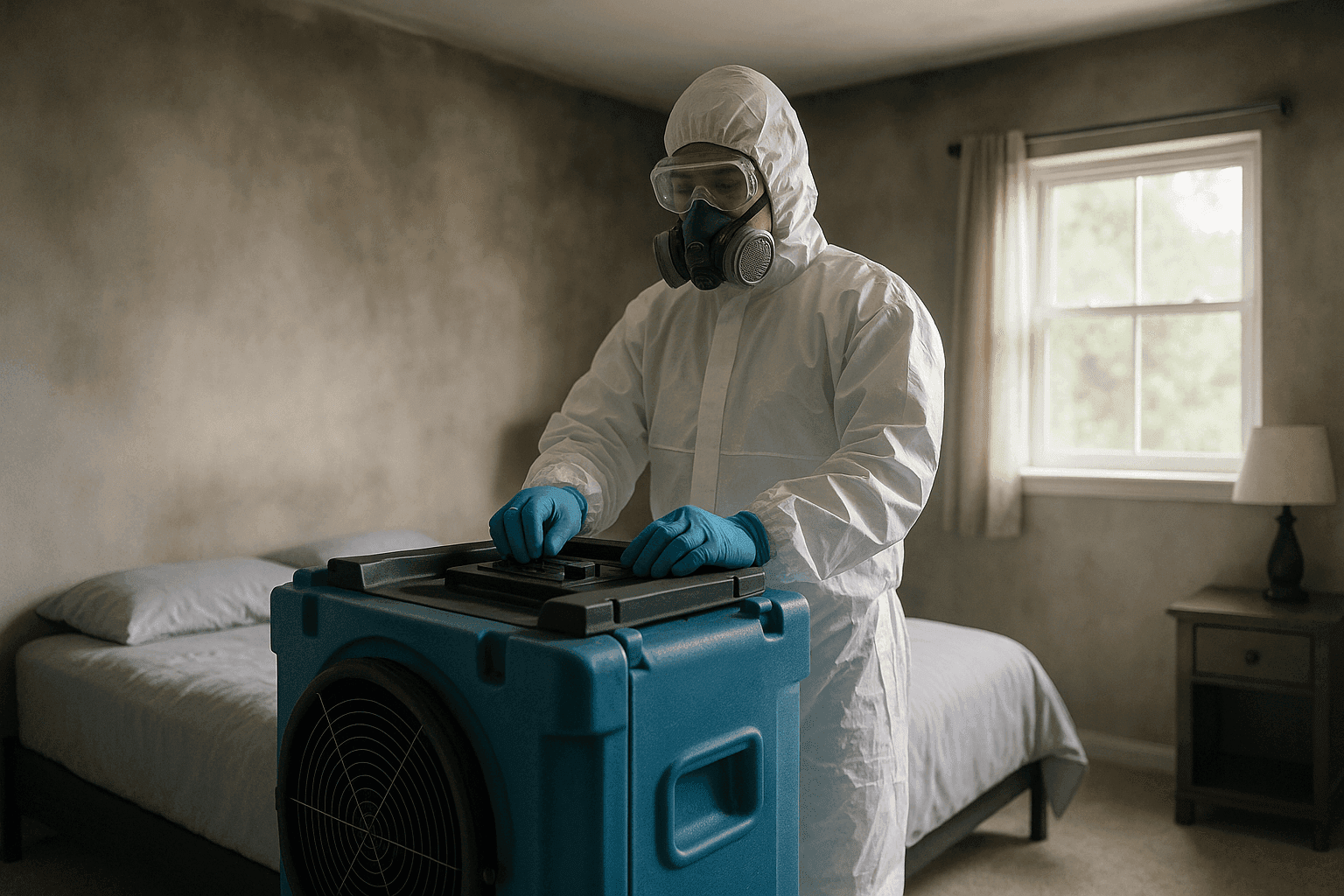
When a fire leaves your home smudged and smoky, the aftermath can feel overwhelming. The scent clings like an unwanted memory. Soot stains seem to grow every time you look away. You want your home back—and you want it safe for your family.
At Windham Fire, we know exactly how it feels to walk into a home after fire_damage. Our technicians have seen it all, from faint traces of smoke to thick layers of soot in every corner. Let’s break down what you can actually expect from professional smoke and soot removal, so you can breathe easier and start fresh.
Why DIY Is Risky
Trying to tackle smoke and soot on your own might feel tempting. After all, isn’t it just some extra cleaning? But here’s the catch: smoke particulates and soot are like invisible hitchhikers. They hide in vents, cling to soft surfaces, and settle deep into walls. What looks like a light dusting often masks a much bigger problem.
- Health Risks: According to the U.S. Environmental Protection Agency (EPA), particles left behind after a fire can trigger asthma, allergies, and even longer-term respiratory problems—especially in children and older adults.
- Hidden Damage: Soot is acidic. Left on surfaces, it eats away at paint, metals, electronics, and even wiring—sometimes leading to corrosion or electrical faults weeks later.
- Improper Cleaning: Standard vacuums or household cleaners can actually push soot deeper into fabrics or spread it to new areas.
Think of soot and smoke as glitter after a birthday party. You might swipe away the obvious, but weeks later, you’re still finding sparkles in unexpected places.
Professional Techniques: How the Pros Clean Up🧰
Windham Fire brings in a full toolkit—and a highly trained team—because every fire_damage scene is different. Here are a few steps our certified technicians follow:
1. HEPA Filtration and Air Scrubbing
- HEPA Filters: High-Efficiency Particulate Air (HEPA) vacuums are the gold standard. They trap the tiniest particles—smaller than a human hair—so they don’t end up back in your lungs.
- Air Scrubbers: These machines work like giant lungs for your home, pulling in smoky air and returning it cleaner, faster. Think of them as a reset button for indoor air.
2. Chemical Sponges and Specialty Cleaners
- Chemical Sponges: Unlike your kitchen sponge, these are designed to lift soot off walls and ceilings without smearing it around. They’re dry-cleaning for your drywall.
- Targeted Solutions: Technicians choose cleaning agents based on the type of fire, the materials affected, and safety guidelines from the Institute of Inspection, Cleaning and Restoration Certification (IICRC).
3. Air Movers and Dehumidifiers
- Air Movers: These help dry out moisture left from firefighting efforts, preventing mold and further damage.
- Dehumidifiers: By pulling excess moisture from the air, these machines help speed up the entire restoration process.
4. Content Cleaning and Pack-Outs
- Pack-Out: Sometimes, your belongings need a spa day, too. We carefully inventory, pack, and relocate items for specialized off-site cleaning.
- Content Cleaning: Everything from clothing to electronics gets the right treatment, whether that means ultrasonic baths or ozone chambers.
What Homeowners Can Do Before Pros Arrive
There are a few simple steps you can take to keep things from getting worse before help shows up:
- Limit Movement: Walking through smoky rooms spreads soot and drives particles deeper into surfaces.
- Turn Off HVAC: Shut off heating or air conditioning to avoid circulating smoke throughout your home.
- Do Not Attempt to Wash Walls or Fabrics: Water can make soot stains permanent. Leave stubborn surfaces to the pros.
- Open Windows (If Safe): A little fresh air can help, but only if it won’t compromise your safety or security.
- Document Everything: Take photos of damage for insurance, including areas that seem less affected.
Expected Outcomes: What Changes After a Professional Smoke and Soot Removal?
Here’s what you can expect once the professionals at Windham Fire have finished:
- Odor Removal: That lingering campfire smell? Gone. We use advanced odor neutralization, not just masking sprays.
- Air Quality Improvement: With thorough cleaning and HEPA filtration, indoor air quality rebounds to safer, healthier levels.
- Restored Surfaces: Walls, ceilings, and belongings look and feel clean—without stains or sticky residue.
- Reduced Health Risks: Removing microscopic particulates means fewer triggers for allergies, asthma, and other respiratory conditions.
- Peace of Mind: Certified technicians follow National Fire Protection Association (NFPA) standards to ensure your home is truly safe.
The Problem: Smoke and Soot Are Sneaky
Soot settles everywhere. It seeps into cracks, behind cabinets, inside electronics. Smoke odor clings to soft items—curtains, furniture, even toys. Without the right tools and know-how, you might never get rid of it all.
That’s why professional fire_damage restoration isn’t just about cleaning. It’s about chasing down every stubborn trace and restoring your home’s safety from the inside out.
Quick Safety Checklist 🔍
Before you re-enter or start cleaning, remember these essentials:
- Wait for fire officials to say it’s safe.
- Wear gloves, long sleeves, and an N95 mask if you must enter.
- Keep kids and pets out of affected areas.
- Don’t touch electrical appliances until cleared by an electrician.
- Avoid drinking water from the tap until utilities confirm safety.
For more, the American Red Cross offers detailed post-fire safety guidance.
DIY vs. Call a Pro
There’s nothing wrong with wanting to take charge of your home’s recovery. But when it comes to smoke and soot, the stakes are higher than they seem.
DIY cleaning:
- Risks making stains worse
- May damage finishes and electronics
- Can expose you to harmful particulates
Professional restoration:
- Uses certified methods and equipment
- Targets both visible and hidden damage
- Protects your health and long-term investment
When in doubt, it’s safer—and smarter—to call in a team that handles fire_damage every day.
What Pros Do On Arrival
Here’s how the Windham Fire team approaches every job, step by step:
1. Assessment & Safety
- Inspect structural integrity and air quality
- Identify all affected areas, even those not visibly stained
- Develop a customized restoration plan
2. Containment
- Seal off clean rooms to prevent cross-contamination
- Set up negative air machines to control airflow
3. Cleaning & Decontamination
- Use HEPA vacuums, air scrubbers, and chemical sponges
- Clean HVAC systems, vents, and hard-to-reach places
- Address both structural and personal property damage
4. Monitoring & Final Checks
- Use remote monitoring for humidity and air quality
- Reassess until all traces of smoke and soot are gone
Prevention & Maintenance
After your home is restored, a few steps can help keep it safe:
- Replace HVAC filters regularly
- Install smoke detectors and test monthly
- Keep a fire extinguisher on every level of your home
- Review your emergency plan with the whole family
Refer to guidance from the National Fire Protection Association (NFPA) for best practices.
Costs & Time Factors
Every fire_damage cleanup is unique—no two homes, fires, or aftermaths are the same. But here’s what affects the process:
- Size of Affected Area: More rooms, more surfaces, more time.
- Type of Smoke: Grease fire? Synthetic materials? Each requires different techniques.
- Access to Areas: Hard-to-reach places like attics or crawlspaces take longer.
- Insurance Coverage: Many policies cover both emergency services and full restoration, but check your specifics.
Most projects can take anywhere from several days to a few weeks, depending on the severity.
When It’s an Emergency 🚨
Sometimes, you can’t wait. Maybe your home isn’t safe to stay in, or smoke is triggering health issues. Windham Fire offers 24-hour service for just this reason. If you smell strong odors, see black stains spreading, or feel sick, call right away.
FAQ: Common Questions
How soon should I start smoke and soot removal after a fire?
The sooner, the better. Soot and smoke can settle quickly, causing permanent damage and health risks. Always wait until authorities say it’s safe to re-enter.
Can I stay in my home during cleaning?
It depends on the extent of damage and air quality. Our technicians will advise you based on safety guidelines and EPA recommendations.
Will my insurance cover smoke and soot removal?
Most homeowner policies include coverage for smoke and soot cleanup after fire_damage, but every policy is different. Document everything and contact your insurer promptly.
What if I have valuables or sentimental items?
Our pack-out service carefully inventories and cleans personal items, so you have the best chance of restoring what matters most.
Local/Seasonal Considerations
Seasonal factors—like winter heating or summer wildfires—can influence how smoke and soot behave. If you live in a region with high wildfire risk, keep vents clear and schedule regular HVAC maintenance. If your area sees cold snaps, check for smoke buildup around fireplaces and wood stoves.
No matter where you are, Windham Fire’s team is ready to respond, with Technical Reconditioning near you and a full suite of restoration services designed for residential needs.
When smoke and soot threaten your home, the right help makes all the difference. Let Windham Fire handle the hard work—so you can focus on what matters most.
Call Windham Fire now — or reach us anytime at 877-709-4324 .