Fire Damage Restoration: Step-by-Step Guide for Homeowners
A house fire turns your world upside down in minutes. The smoke, the noise, and the shock—it's overwhelming. But after the flames are out, what you do next matters most.
Windham Fire has helped families recover from fire_damage for years. We understand the urgency, the questions, and the pressure to act fast. This guide breaks down each step, so you know what to expect and how to protect your home and loved ones.
When Fire Strikes: The Scenario Nobody Wants
No one ever plans for fire_damage. But knowing what to do in those first minutes and hours can save you time, money, and heartache. Flames may stop, but smoke and water keep working their way through your home. Every minute counts.
Quick Safety Checklist 🛑
Before anything else, make sure you and your family are safe. Here’s what to do, straight from the National Fire Protection Association (NFPA):
- Get everyone out of the house—don’t go back inside for possessions.
- Call 911, even if the fire seems small.
- Wait for firefighters to declare the structure safe before re-entering.
- Avoid breathing in smoke or touching damaged materials.
- If safe, shut off utilities—gas, electricity, water—to prevent further hazards.
- Gather at your meeting spot and do a headcount.
Your safety comes first. Everything else can wait.
DIY or Call a Pro? The Pros and Cons
Some smoke and soot may look like a simple cleanup job. But fire_damage is tricky. It hides in walls, ductwork, and even behind paint. Water from firefighting can spark mold in just 24-48 hours.
DIY might work for tiny, surface-level damage:
- Small smoke stains on walls
- Minor soot on non-porous surfaces
But call a restoration company like Windham Fire for:
- Large or hidden fire_damage
- Structural concerns (walls, beams, roofs)
- Odors that won’t go away
- Water-soaked walls, floors, or ceilings
- Electrical problems or exposed wiring
Think of it like fixing a leaky boat. A patch might work for a trickle, but if the hull is cracked, you need the shipyard—fast.
What Restoration Pros Do On Arrival
When Windham Fire arrives, you get more than a mop and a bucket. Here’s what to expect from certified restoration specialists:
1. Immediate Damage Assessment
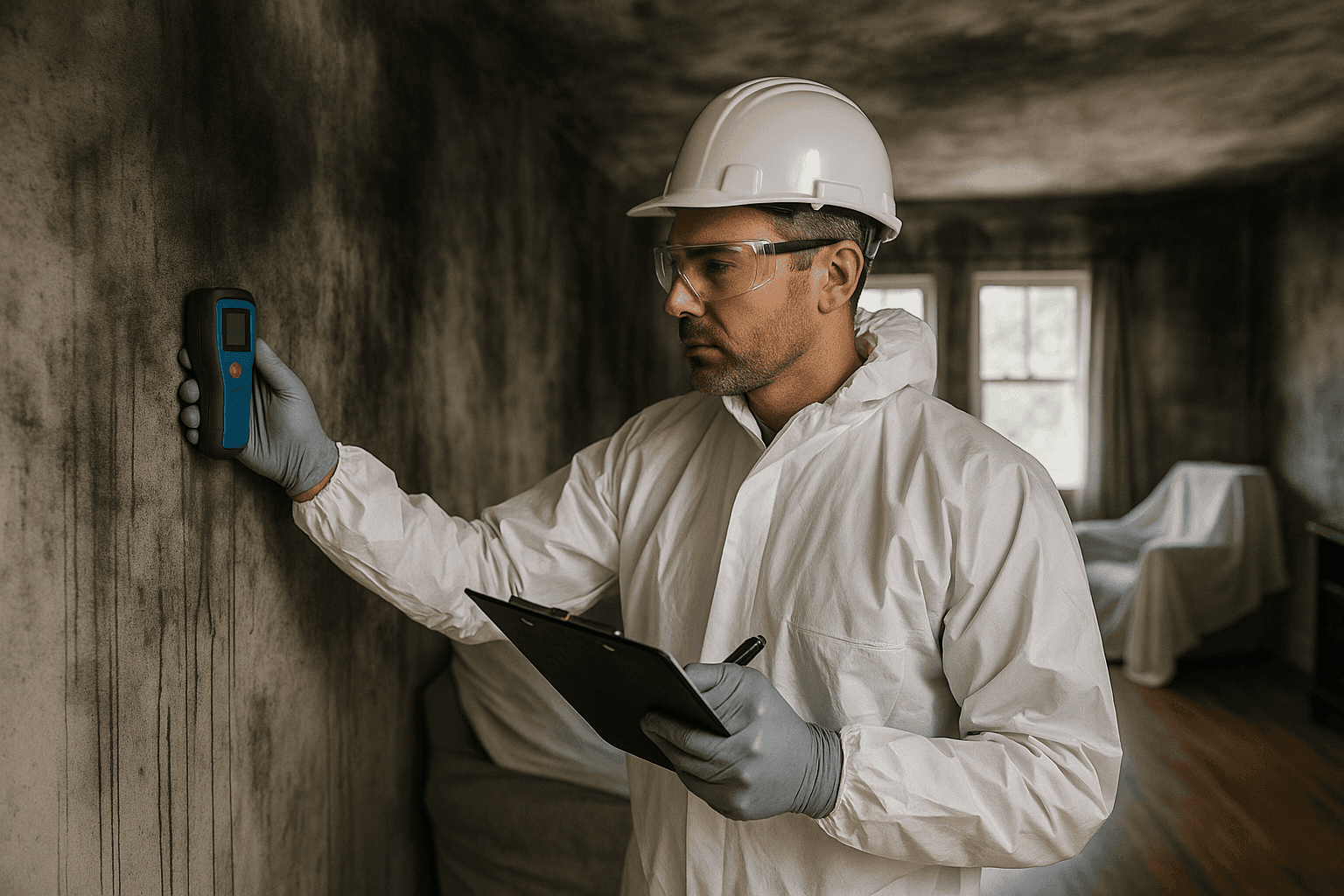
Our team inspects the property, from attic to basement. We check structural integrity, electrical systems, and hidden pockets of smoke or water. Using specialized tools—moisture meters, infrared cameras, air quality monitors—we find problems you can’t see.
2. Emergency Board-Up and Securing
Broken windows? Gaping doors? We board up and secure the property to keep out rain, animals, and unwanted visitors. Temporary fencing can be added for extra security.
3. Water Extraction and Dehumidification
Water is the silent destroyer after a fire. We remove standing water, then use industrial dehumidifiers to dry out your home. This stops mold before it starts.
4. Smoke and Soot Removal
Smoke weaves through every crack. Our team uses HEPA vacuums, air scrubbers, and specialized cleaning agents to remove soot from walls, ceilings, ducts, and belongings.
5. Pack-Out and Content Cleaning
Furniture, clothes, and personal items are carefully inventoried and packed out. We clean, deodorize, and store your belongings in a secure facility until your home is ready.
6. Odor Removal
We use advanced odor removal techniques—like ozone and hydroxyl generators—to tackle persistent smoke smells.
7. Reconstruction and Technical Reconditioning
From drywall to roofing, we restore your home to its pre-loss condition. Our technical reconditioning near you means structural stabilization, corrosion control, and even environmental services if needed.
8. Ongoing Communication
We coordinate with your insurance company, provide updates, and answer all your questions along the way.
Prevention & Maintenance: Guarding Against Future Fire_Damage 🔥
Prevention isn’t just about smoke alarms. Take these steps to protect your home:
- Test smoke detectors monthly and replace batteries twice a year.
- Keep fire extinguishers in the kitchen, garage, and near bedrooms.
- Clean dryer vents and chimney flues annually.
- Store flammable materials safely, away from heat sources.
- Practice a family fire escape plan at least once a year.
Check guidelines from the U.S. Fire Administration for more tips. Prevention is like locking your doors before a storm—you hope you never need it, but you’ll be glad you did.
Costs & Time Factors: What to Expect
Every fire_damage situation is different, so costs and timelines vary. Here’s what influences them:
- Extent of damage: More rooms, more cost.
- Structural issues: Major repairs take longer.
- Water vs. smoke damage: Water can add days or weeks.
- Personal property restoration: The more to clean, the longer it takes.
- Insurance process: Adjusters and approvals can slow things down.
Typical restoration can take from a few days (for minor smoke cleanup) to several months (if full reconstruction is needed). Insurance may cover some or all costs—keep receipts and records for everything.
When It’s an Emergency: What to Do Right Now 🚨
If you’re facing a fire_damage emergency:
- Evacuate and call 911 immediately.
- Don’t turn on lights or appliances in a damaged area.
- Avoid touching or moving anything until professionals arrive.
- Contact your insurance company as soon as possible.
- Call a certified restoration company for a rapid response.
Speed matters. Delays give mold, corrosion, and odors time to settle in.
FAQ: Common Homeowner Questions
How soon can I re-enter my home after a fire?
Only after fire officials say it’s safe. Structural and air quality hazards can linger even after flames are out.
Will my insurance cover everything?
Policies vary. Most cover fire_damage, but limits and exclusions apply. Document everything with photos and detailed lists.
Can I clean smoke damage myself?
Small areas, maybe. But most smoke and soot need professional equipment and techniques to avoid further damage.
What’s the difference between restoration and reconstruction?
Restoration means returning what’s salvageable to pre-fire condition. Reconstruction involves rebuilding what’s been destroyed.
Local & Seasonal Considerations
Some risks change with the seasons. Winter brings space heater and chimney fires; summer sees more grill and wildfire risks. Think about:
- Seasonal maintenance (chimney sweeps, gutter cleaning)
- Checking smoke alarms after storms or power surges
- Extra caution during holidays (candles, decorations, cooking)
Stay aware of local fire codes and weather alerts. Your local fire department is a great resource for community-specific safety tips.
Fire_damage can feel daunting, but you don’t have to face it alone. Whether you need technical reconditioning near you, emergency board-up, or full restoration, Windham Fire is here to help—day or night.
Call Windham Fire now — or reach us anytime at 877-709-4324 .