How to Prevent House Fires: Essential Tips for Every Season
Home is more than walls and a roof—it’s peace of mind, laughter, and the memories you protect. But fire doesn’t care about any of that. It can start small, then take everything in a blink.
At Windham Fire, we’ve seen how fast fire_damage can unravel years of hard work and happiness. That’s why we’re passionate about prevention—arming homeowners with the tools and knowledge to keep danger at bay, all year long.
Common Fire Hazards Around Your Home 🔥
House fires often begin with the smallest spark. Sometimes it’s a forgotten candle. Other times, a frayed wire or an overloaded outlet. Recognizing these risks is the first step to keeping your family and belongings safe.
Top hazards include:
- Faulty electrical wiring and old outlets
- Dryers with lint buildup
- Unattended stoves and ovens
- Space heaters placed too close to curtains or furniture
- Overloaded power strips
- Fireplaces without proper screens or cleaning
- Candles left burning near flammable objects
- Grills used too close to siding or decks
- Holiday lights with damaged cords
Many of these are easy to overlook. That’s why awareness matters. Fire doesn’t wait until you’re ready for it.
Quick Safety Checklist for Every Home
Want to make your home safer in five minutes? Start here:
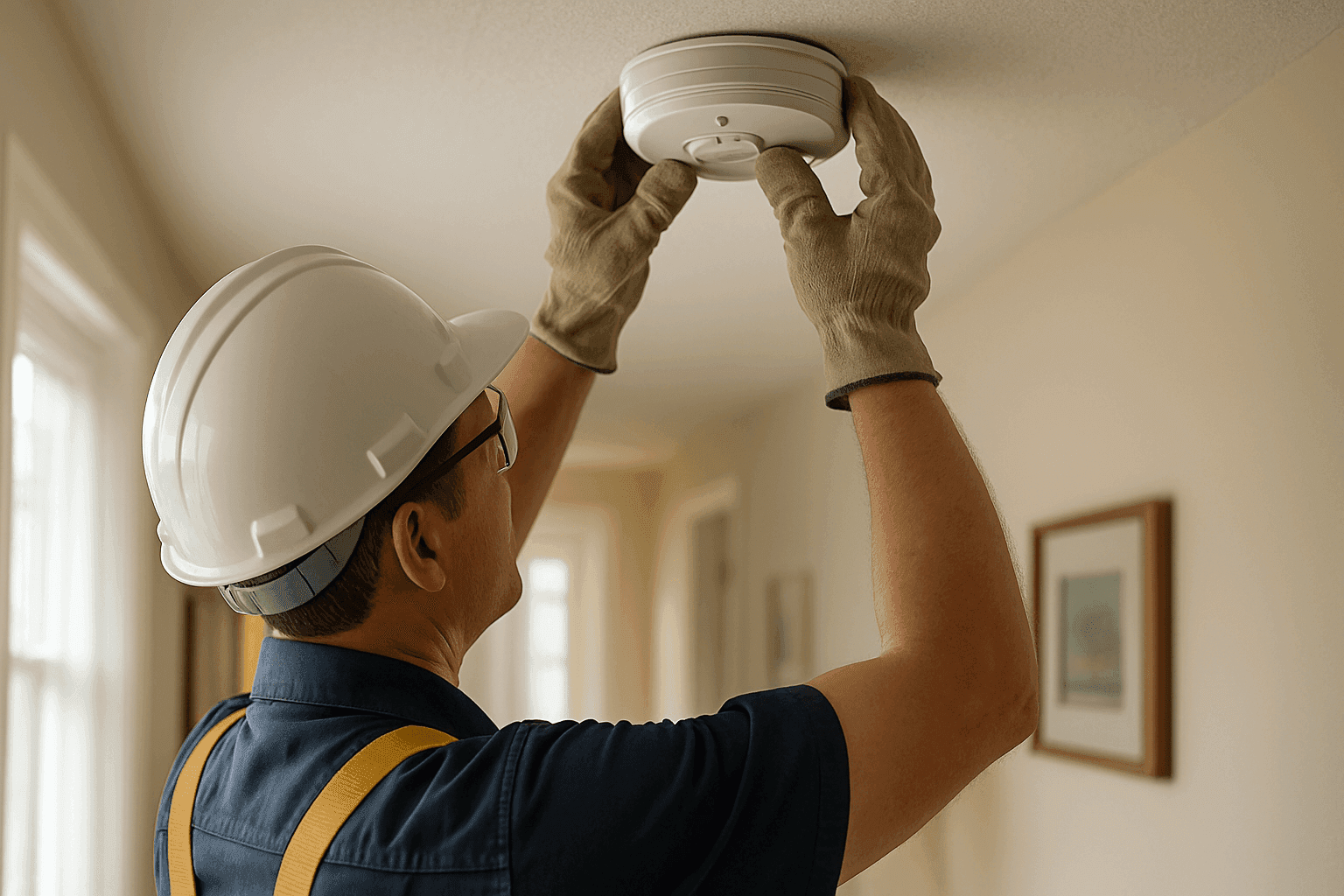
- Test smoke alarms in every bedroom and hallway monthly.
- Keep fire extinguishers on every floor, especially near the kitchen and garage.
- Clear dryer lint traps after every use.
- Store matches and lighters out of children’s reach.
- Never run appliances when you’re asleep or out.
- Don’t overload outlets or power strips.
- Double-check candles and space heaters before leaving a room.
- Clean your fireplace and chimney annually.
- Store flammable liquids in approved containers, away from heat.
- Create and practice a family escape plan.
Checklists aren’t just for the fridge door. They’re lifelines in disguise.
Seasonal Fire Hazards and How to Tackle Them
Winter: Heating & Holiday Hazards
When the temperature drops, fire risks rise indoors. Space heaters, fireplaces, and extra blankets bring comfort—and danger.
- Keep anything that can burn at least three feet from all heat sources.
- Plug space heaters directly into wall outlets (never extension cords).
- Inspect holiday lights for frayed wires before decorating.
- Don’t overload circuits with too many festive lights.
- Always extinguish candles before bed or leaving home.
According to the National Fire Protection Association (NFPA), heating equipment is a leading cause of U.S. home fires during winter. Don’t let a cozy night turn into a costly disaster.
Spring: Storms & Electrical Surges
Thunderstorms can spark fires through lightning strikes or power surges.
- Unplug electronics during heavy storms.
- Consider surge protectors for expensive appliances.
- Clear gutters and roof debris to prevent blockages that can catch fire.
- Schedule an electrical inspection if your home is older or after big storms.
Summer: Grilling & Outdoor Fun
Backyard barbeques are a summer staple. But grills and fireworks mean extra caution.
- Always grill outdoors, away from siding and overhanging branches.
- Keep a fire extinguisher or bucket of sand nearby.
- Never leave a hot grill unattended.
- Store fireworks safely, and abide by local regulations.
Fall: Leaves & Outdoor Maintenance
Dry leaves and debris can fuel fast-moving fires.
- Rake up leaves and dispose of them properly.
- Clean gutters and downspouts to prevent clogs.
- Maintain outdoor lighting fixtures and inspect for wiring damage after storms.
Every season brings its own set of fire risks. Adjust your habits as the calendar changes.
Fire Safety Equipment: What Every Home Needs 🚨
You wouldn’t drive without a seatbelt. Don’t live without these essentials:
- Smoke Alarms: At least one on every level, and inside/outside sleeping areas. Replace batteries twice a year (think daylight savings time).
- Carbon Monoxide Detectors: Especially important if you use gas appliances.
- Fire Extinguishers: Multipurpose (Class ABC) extinguishers for kitchen, garage, and each floor. Learn how to use them—pull, aim, squeeze, sweep.
- Fire Blankets: For stovetop or small fires.
- Flashlights: In case power goes out during a fire.
Test your alarms monthly. Replace units every 10 years or as the manufacturer recommends.
Routine Maintenance: Your Best Defense
Like brushing your teeth, fire safety works best as a habit—not a one-time fix. Here’s how to stay on track:
- Schedule an annual home electrical inspection, especially in older homes.
- Get your chimney and fireplace cleaned each year.
- Check appliance cords for wear and replace damaged ones.
- Clean dryer vents and exhaust ducts at least once a year.
- Store oily rags in metal containers, away from heat.
- Review your family’s fire escape plan twice a year.
Regular maintenance isn’t glamorous, but it’s the backbone of prevention. Think of it as oiling the hinges on your peace of mind.
Professional Help: When to Call Windham Fire
Some jobs are too big, messy, or risky to handle on your own. That’s where services like Technical Reconditioning near you come in. Here’s how professional support can make a difference:
- Content Cleaning: Specialized cleaning removes hazardous smoke residue from belongings, lowering future fire risk.
- Odor Removal: Lingering smoke and soot can be flammable. Proper odor removal ensures your air stays safe to breathe.
- Damage Assessment: Pros spot hazards homeowners might overlook—like hidden wiring damage or unseen moisture.
- Pack-Out Services: Safely remove and restore your valuables after a fire.
- Emergency Board-Up and Temporary Fencing: Secures your property and prevents further damage.
Windham Fire also offers 24-hour response, water extraction, dehumidification, and even remote monitoring to keep your space safe while you recover. Sometimes, prevention means knowing your limits and asking for help.
DIY or Call a Pro?
Changing a smoke alarm battery? DIY. Rewiring your breaker panel? Time to pick up the phone.
- DIY Tasks: Testing alarms, basic cleaning, unplugging unused devices, practicing your family fire drill.
- Professional Tasks: Electrical rewiring, chimney sweeping, deep content cleaning, odor removal, and structural stabilization.
If you’re ever unsure, lean on the side of caution. Fire prevention is not a job for guesswork.
What Pros Do When They Arrive
When Windham Fire arrives, our teams move fast but methodically. Here’s what to expect:
- Immediate Assessment: Identify and contain active risks.
- Emergency Board-Up: Secure broken windows, doors, or roofs.
- Water Extraction: Remove water left by firefighting efforts to prevent mold and additional fire_damage.
- Structural Stabilization: Make sure your home is safe to enter.
- Content Pack-Out: Carefully remove and inventory belongings for cleaning and restoration.
- Smoke, Soot, and Odor Removal: Deep clean all surfaces, ducts, and textiles.
- Damage Documentation: For insurance restoration, accurate records are essential.
Our goal? Restore your home—and your peace of mind.
Prevention & Maintenance: Year-Round Habits
Fire safety isn’t a set-it-and-forget-it job. Here are habits worth building:
- Check smoke detectors when you change your clocks.
- Schedule annual chimney and dryer vent cleanings.
- Store firewood and flammable materials away from your home.
- Keep hallways and exits clear for fast escapes.
- Teach kids about fire safety in simple, age-appropriate ways.
You don’t need to memorize the whole fire code—just the basics that fit your daily life.
Costs & Time Factors
Most prevention steps are affordable and quick—testing a smoke alarm takes seconds. Professional services, like Technical Reconditioning near you, vary based on the size of your home and the scope of work.
- Smoke detectors: $10–$50 each, batteries are even less.
- Fire extinguishers: $30–$80, depending on type.
- Annual inspections: $100–$500, depending on home size and systems involved.
- Professional cleaning & restoration: Costs range based on damage and services needed, but investing now is far less than the cost of a major fire_damage event.
Remember, time spent on prevention is far less than time spent recovering.
When It’s an Emergency
- Get everyone out. Don’t stop for valuables.
- Call 911 from outside the house.
- If safe, close doors behind you to slow the fire.
- Never re-enter a burning home.
After the fire’s out, call Windham Fire. Fast action prevents further fire_damage and makes restoration smoother.
FAQ: House Fire Prevention
How often should I test my smoke alarms?
Test monthly. Change batteries twice a year.
Can I clean up soot and smoke myself?
For small areas, yes, but smoke and soot can linger unseen. Professional content cleaning ensures thorough removal, reducing health hazards and future fire risks.
What if I rent?
Fire safety is everyone’s job. Renters should test alarms, avoid hazards, and know emergency exits. Encourage landlords to schedule regular maintenance.
How do I teach kids about fire safety?
Use simple language and practice escape plans together. The NFPA has great resources for families.
Local & Seasonal Fire Risks
Every region has its own fire threats. In cold climates, heating is the biggest culprit. In storm-prone areas, it’s power surges and lightning. If you live somewhere with wildfire risk, keep defensible space clear around your home and stay alert during dry spells.
Stay tuned to local fire department guidance, and adjust routines as the seasons shift.
Fire safety is a year-round commitment. Whether it’s a quick checklist or a full home inspection, every step you take matters. If you ever need support—from Technical Reconditioning to content cleaning and odor removal—Windham Fire is here, 24/7.
Call Windham Fire now — or reach us anytime at 877-709-4324 .