Fire Damage Assessment: How Pros Evaluate and Document Loss
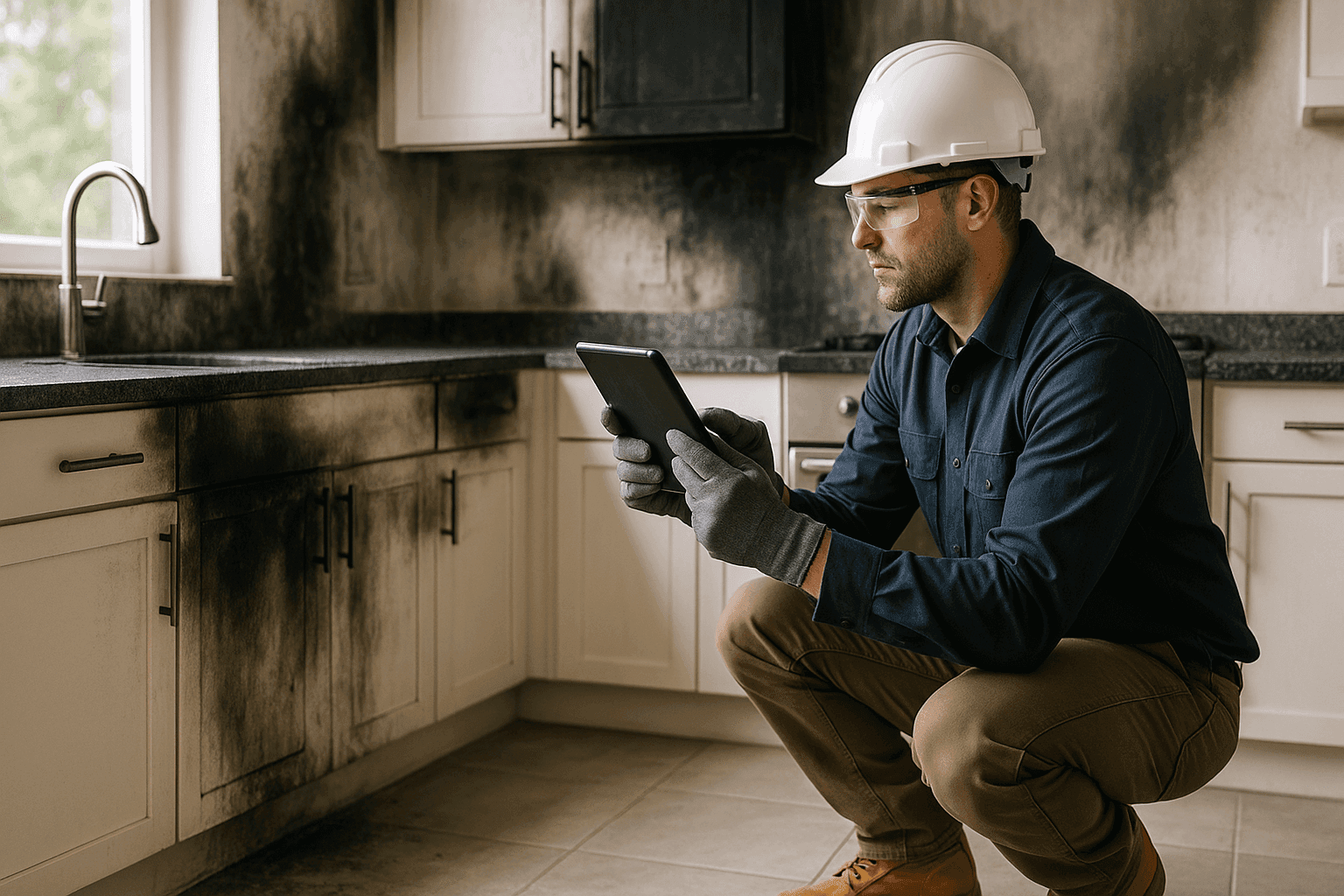
Fire is relentless. In moments, it can turn a comfortable home into a maze of charred beams and thick, stubborn smoke. If you’ve just experienced fire_damage, your world feels upside down. The urge to restore normalcy is overwhelming. But before any repairs can begin, there’s a critical first step: a professional fire damage assessment.
At Windham Fire, we understand the stress and uncertainty that follows a fire. Our team is trained to bring clarity, following strict safety codes and documentation practices recognized by organizations like the National Fire Protection Association (NFPA) and the Institute of Inspection Cleaning and Restoration Certification (IICRC).
Initial Walkthrough
The assessment starts before the front door even opens. Technicians pause, scanning the exterior for telltale signs—sagging roofs, blackened windows, crumbling walls. Imagine a detective reading a crime scene for clues. Safety is the top priority; nothing moves forward until hazards are identified and controlled.
Inside, the walkthrough is slow and methodical. The air might be thick with soot, the floor slick with water from fire hoses. Every room tells its own story. Pros look for:
- Structural weaknesses (like soft floors or cracked beams)
- Electrical hazards (exposed wires, scorched outlets)
- Hidden hot spots (lingering embers behind walls)
- Air quality concerns (smoke, lingering odors)
Assessors use all their senses—sight, smell, even the faintest creak underfoot. The process is careful, never rushed, and always rooted in strict safety standards set by the Occupational Safety and Health Administration (OSHA).
Tools and Technology Used 🛠️
Fire_damage assessment blends old-school know-how with modern tech. Professionals come equipped with more than just a flashlight.
- Thermal imaging cameras: Reveal hidden heat sources or smoldering spots not visible to the naked eye.
- Moisture meters: Detect areas soaked by firefighting efforts, critical for preventing mold and further decay.
- Air quality monitors: Measure levels of particulates, carbon monoxide, and other harmful residues.
- Digital documentation: Photos, videos, and 3D scans capture every detail, timestamped and geotagged for accuracy.
- Drones (when safe): For roofs or unstable areas, offering a bird’s-eye view without risking injury.
This blend of tools ensures nothing is missed. It’s like peeling back the layers of a mystery, revealing both the obvious and the subtle.
Documentation for Insurance
Insurance companies rely on clear, unbiased reports. That’s where the meticulous documentation by Windham Fire comes in.
- Room-by-room inventory: Every damaged item is listed, described, and photographed.
- Severity mapping: Levels of damage are noted—what’s a total loss, what’s restorable with Technical Reconditioning near you, and what needs only minor cleaning.
- Cause and spread analysis: Detailed notes help insurers understand how the fire started and how it moved.
- Environmental impact: Soot, water, and chemical residue can affect not just your home, but the surrounding environment. We document it all.
All records follow guidelines established by the IICRC and local building codes—ensuring your claim stands up to scrutiny and your restoration plan is grounded in facts.
What to Expect in an Assessment Report 📝
So, what lands in your hands after the assessment? Expect a thorough, easy-to-understand document. Like a roadmap, it guides your next steps.
- Summary of findings: An overview of all observed damage, both structural and content-related.
- Photo log: Visual proof for every claim, with context for each image.
- Restoration recommendations: Suggestions for immediate action (like emergency board-up or water extraction), plus long-term solutions.
- Next steps: What needs to happen first, who to call, and which hazards to watch for.
The report is designed for homeowners, not just insurance adjusters. No technical jargon. No confusing codes. Just clear, actionable information.
Quick Safety Checklist
Before anyone enters a fire-damaged home—even you—here’s what professionals check:
- Is the structure stable? (No sagging ceilings, shifting walls)
- Are utilities (gas, electricity, water) shut off?
- Is protective gear available? (Respirators, gloves, boots)
- Has the fire marshal cleared the site for entry?
- Are there signs of hazardous materials? (Asbestos, chemicals)
When in doubt, wait for the professionals. Safety can’t be rushed.
DIY vs. Call a Pro
It’s tempting to start cleaning up right away. But fire_damage is like an iceberg—what you see is only part of the story.
- DIY risks: Hidden structural issues, unseen smoke contamination, electrical hazards
- Professional advantage: Trained eyes spot what homeowners often miss. Certified teams follow strict protocols, use advanced tools, and maintain unbiased records essential for insurance.
- When to call: If you smell gas, see sagging ceilings, or feel unsure, don’t wait. Immediate help can prevent further loss and ensure your safety.
What Pros Do On Arrival
Windham Fire’s crew follows a step-by-step process:
- Confirm site safety with first responders.
- Set up temporary fencing or board-up if needed.
- Begin damage assessment—outside first, then inside.
- Document everything before moving or cleaning items.
- Coordinate with your insurance company, providing immediate updates as needed.
It’s a team effort, blending technical skill with empathy. We work with you, not just for you.
Prevention & Maintenance
After restoration, prevention becomes the focus. Here’s what homeowners can do:
- Install and maintain smoke alarms (per NFPA 72 guidelines)
- Have fire extinguishers on every level of your home
- Regularly inspect wiring and heating systems
- Keep flammable materials away from heat sources
- Schedule annual chimney and dryer vent cleanings
Simple habits can make a difference. Prevention is always easier than recovery.
Costs & Time Factors
No two fires are alike. The cost and timeline for assessment and restoration depend on:
- Size and age of the home
- Severity and source of fire_damage
- How quickly the assessment begins
- Special cleaning needs (smoke, soot, water, hazardous materials)
- Extent of content restoration and reconstruction
Assessments can take a few hours to a full day. Restoration may stretch over weeks. Open, ongoing communication keeps surprises to a minimum.
When It’s an Emergency 🚨
Some situations demand immediate action:
- Structural collapse risk
- Dangerous air quality (visible smoke, strong odors)
- Exposure to hazardous materials (chemicals, asbestos)
- Water flooding from firefighting efforts
Windham Fire offers 24-hour service. When every minute counts, our team is ready with temporary power, remote monitoring, and emergency stabilization.
FAQ
How soon after a fire should I get an assessment?
As soon as it’s safe. The faster the assessment, the quicker repairs can begin, reducing further damage.
Can I stay in my home during assessment?
This depends on the damage. Many times, it’s safer to wait until professionals have cleared hazards.
What’s included in “content cleaning”?
Everything from textiles and electronics to family heirlooms. Items are cleaned, deodorized, and stored off-site if needed.
Will my insurance cover the assessment?
Most policies include assessment as part of the claim process, but check your policy details or ask your adjuster.
Local/Seasonal Considerations
Each season brings its own fire risks—dry summers increase wildfire threats, while winter sees more electrical fires from heaters. In humid climates, water left after firefighting can breed mold fast. Windham Fire tailors its approach to the unique challenges of your area, combining national safety standards with local expertise.
Fire_damage doesn’t have to define your next chapter. With Windham Fire, you gain a partner who values your safety, your home, and your peace of mind. For technical reconditioning near you—or answers to your toughest questions—
Call Windham Fire now — or reach us anytime at 877-709-4324 .